Is This Your Last Chance to See Cambodia’s Giant Ibis?
Is This Your Last Chance to See Cambodia’s Giant Ibis?
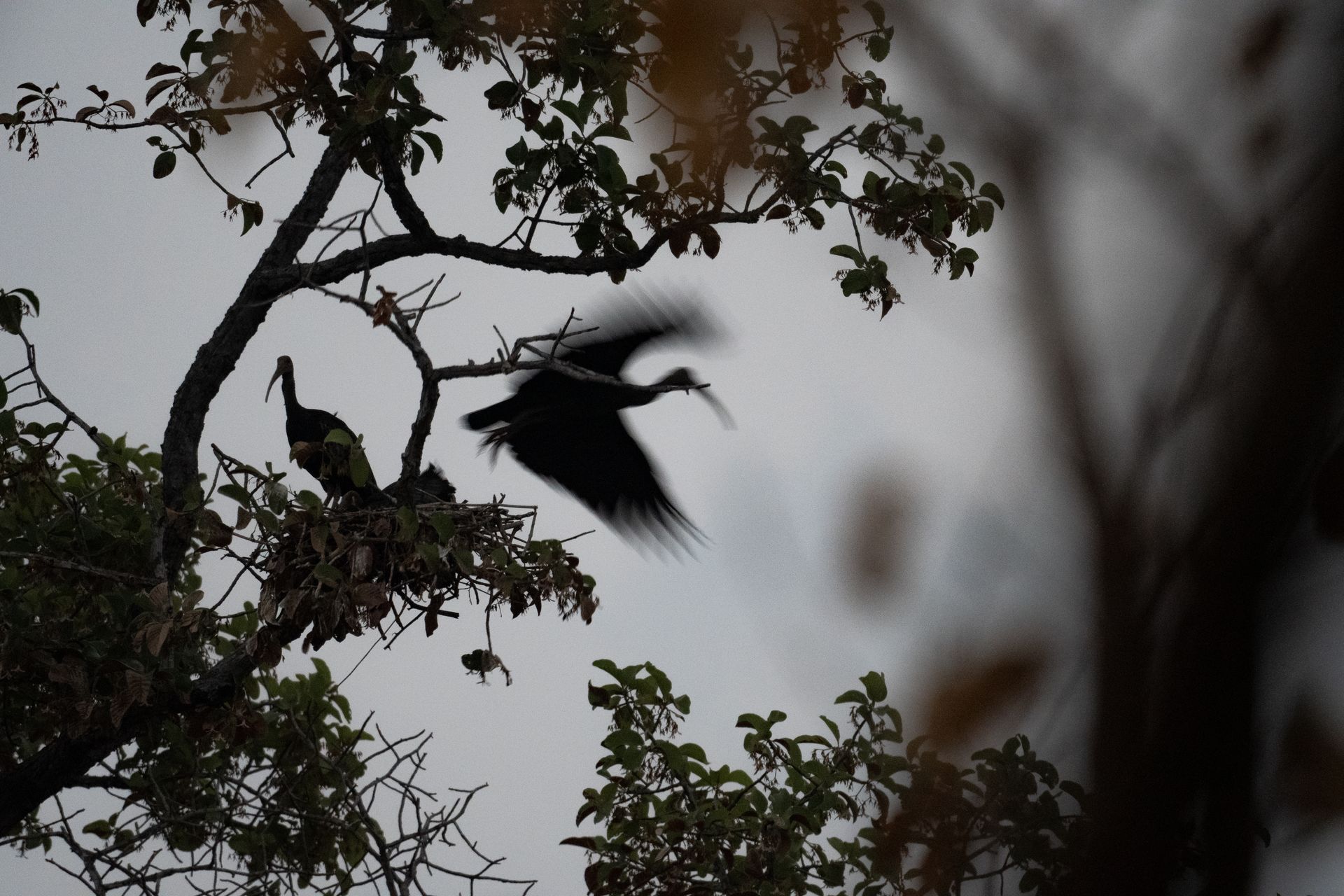
Imagine waking before sunrise and heading into the quiet landscape of Cambodia’s Northern Plains.
There are no crowds. No viewing platform. No guarantee that anything will appear.
You are simply walking with a local guide, listening to the sounds of the morning and watching the open landscape ahead.
Then, in the distance, you spot a large bird moving through the grass.
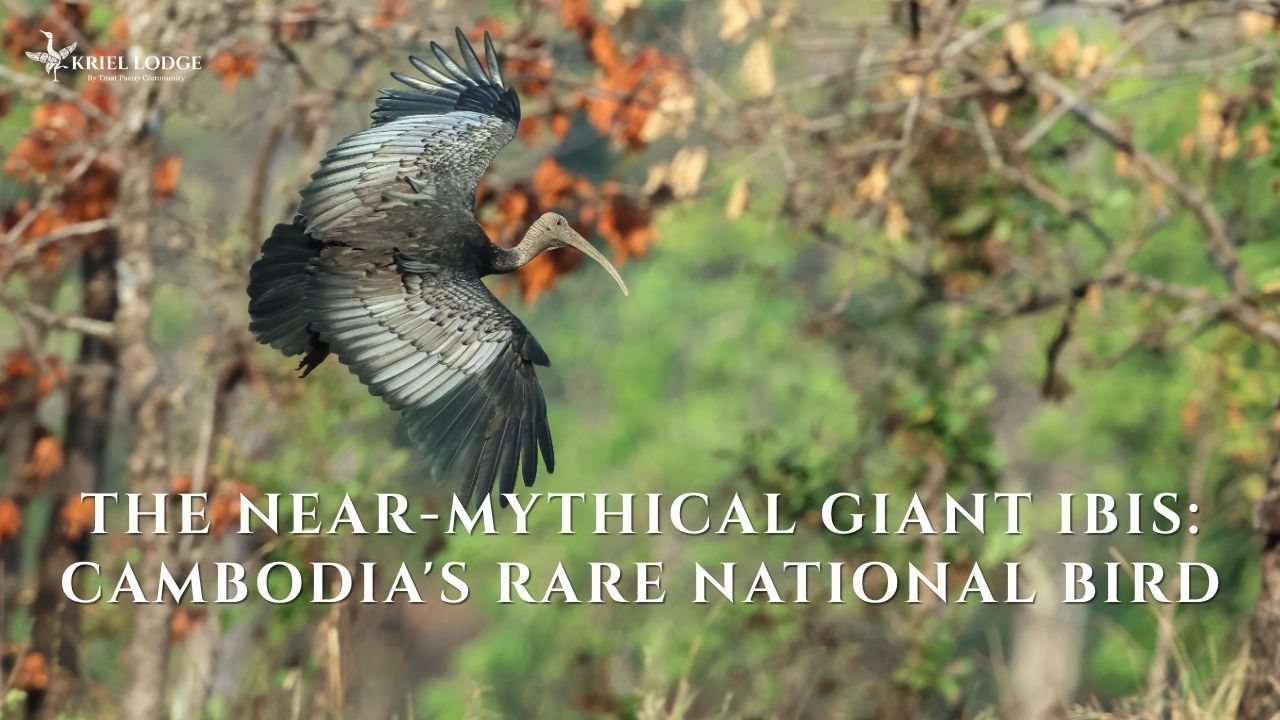
It is a Giant Ibis.
For many wildlife enthusiasts, seeing this bird in the wild is a dream. But finding one is not easy. The Giant Ibis is one of Cambodia’s rarest birds, and opportunities to see it in its natural habitat are limited.
So, could this be your last chance to see Cambodia’s Giant Ibis?
Not necessarily. But for a species this rare, every opportunity to see one in the wild matters.
Cambodia’s Rare National Bird
The Giant Ibis is Cambodia’s national bird and one of the largest ibis species in the world.
It is also one of the country's most threatened birds.
Today, Cambodia is one of the most important countries for the species, with much of its remaining population found in remote areas of the country.
Unlike many birds that are easy to find around towns, wetlands or popular nature reserves, Giant Ibis live in landscapes where people are relatively few and suitable habitat is increasingly limited.
That makes seeing one a very different experience from ordinary birdwatching.
You have to go where the birds are.
Why Is the Giant Ibis So Difficult to See?
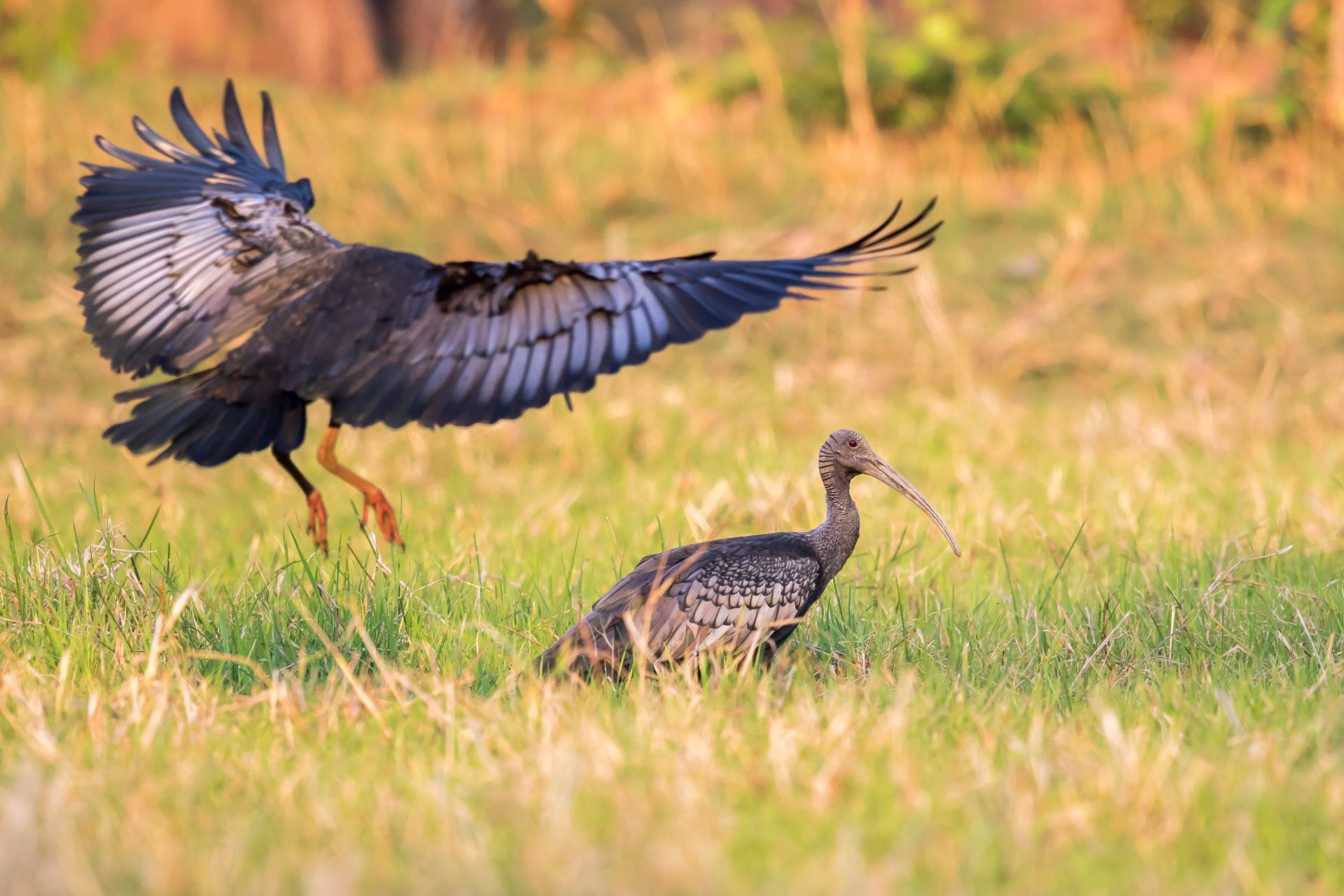
The Giant Ibis may be large, but that does not mean it is easy to find.
These birds live in natural habitats and are not there for visitors. They move between feeding and resting areas, and their behaviour can change depending on weather, water levels and other conditions.
They also live in remote landscapes.
You cannot simply arrive at a famous attraction and expect to see one.
Finding a Giant Ibis usually requires local knowledge, patience and a good understanding of the landscape.
This is where experienced local guides make a difference.
Instead of simply walking through the forest hoping to get lucky, guides know where to look and what signs to watch for.
Tmat Paeuy Community Protected Area & Kriel Lodge
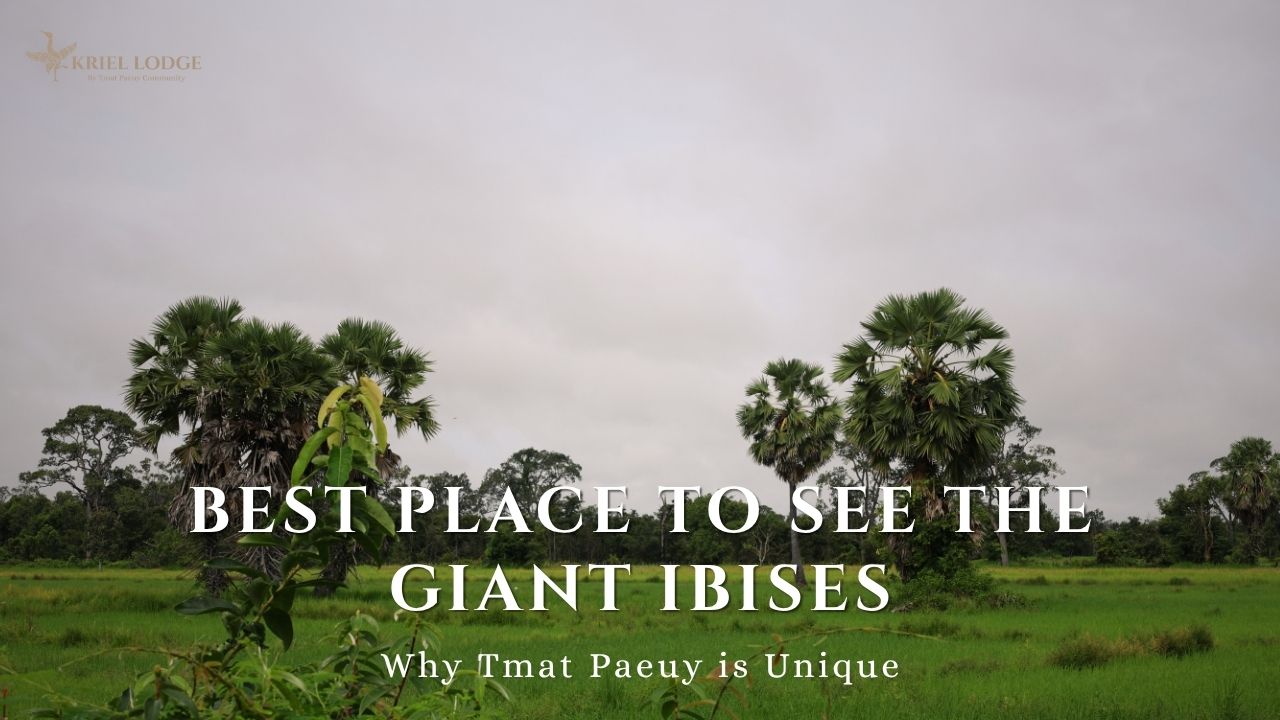
In Cambodia’s Northern Plains, Tmat Paeuy Community Protected Area is an important area for Giant Ibis and other wildlife.
The landscape provides habitat for rare birds and other species, while local communities play an important role in protecting the natural environment.
For visitors, Tmat Paeuy offers the chance to experience wildlife in its natural surroundings rather than in a zoo or enclosure. But getting here takes a little more effort than visiting Cambodia’s better-known destinations.
Kriel Lodge provides a comfortable base for exploring the area, with local guides who know the landscape and can help visitors search for Giant Ibis and other wildlife.
Staying here also gives you more time to experience Tmat Paeuy beyond a single wildlife sighting to meet the local community, learn about conservation and understand why protecting this landscape matters.
It Is Not an Easy Place to Reach
Part of what makes seeing a Giant Ibis special is that you have to make the journey.
Tmat Paeuy is not the kind of destination you simply add as a quick stop between Cambodia’s major tourist attractions.
The Northern Plains are quieter and more remote than the country's most visited destinations.
Getting there takes time, and the experience requires a little more planning.
For some travelers, this may seem like an inconvenience.
For others, it is exactly the point.
You are not travelling to a place that has been built around mass tourism. You are travelling into a landscape where wildlife is still part of everyday life and where conservation is an important part of protecting the future of the area.
It Is Not an Easy Place to Reach

The search itself is part of the experience.
You might begin early in the morning, when the air is cooler and wildlife activity is often higher.
Your guide may stop regularly to look across open areas, listen for birds and check places where wildlife is known to feed or rest.
Sometimes you may find what you are looking for quickly.
Other times, you may spend hours searching.
And sometimes you may not see a Giant Ibis at all.
That is the reality of wildlife watching.
There are no guarantees when you are looking for wild animals.
But even when the main target does not appear, the search can reveal other birds, animals and signs of life that you might otherwise miss.
And Then You See One
After spending time searching, the moment you finally see a Giant Ibis can feel surprisingly quiet.
There may be no dramatic entrance.
Perhaps it is standing in the distance, walking slowly through the grass or feeding in an open area.
But you know you are looking at something rare.
For a few moments, the journey, the early morning and the long search all make sense.
You are seeing one of Cambodia's most important birds exactly where it belongs: in the wild.
More Than Just One Bird
Protecting the Giant Ibis is not simply about protecting one species.
The bird depends on a wider landscape that includes forests, grasslands, wetlands and seasonal water sources.
Protecting these habitats also helps many other species that share the same environment.
This is why places such as Tmat Paeuy are important.
Conservation here is about maintaining a landscape where wildlife can continue to survive, while local communities remain an important part of protecting and managing the area.
A wildlife experience can therefore become more than a search for a single species.
It can be a way to understand why the whole landscape matters.
Why Travel So Far for One Bird?
It is a fair question.
Cambodia has famous temples, beaches, cities and other attractions that are much easier to reach.
So why travel into the Northern Plains to look for one rare bird?
Perhaps because some experiences are valuable precisely because they are not easy.
The Giant Ibis is not something you are likely to see by accident during a typical Cambodia holiday.
Finding one requires time, patience and a willingness to travel beyond the usual tourist route.
And that journey takes you somewhere different.
You meet local guides. You experience a landscape that few international visitors see. You learn about conservation and the communities working alongside wildlife.
And you may come home with the memory of seeing one of Cambodia's rarest birds in the wild.
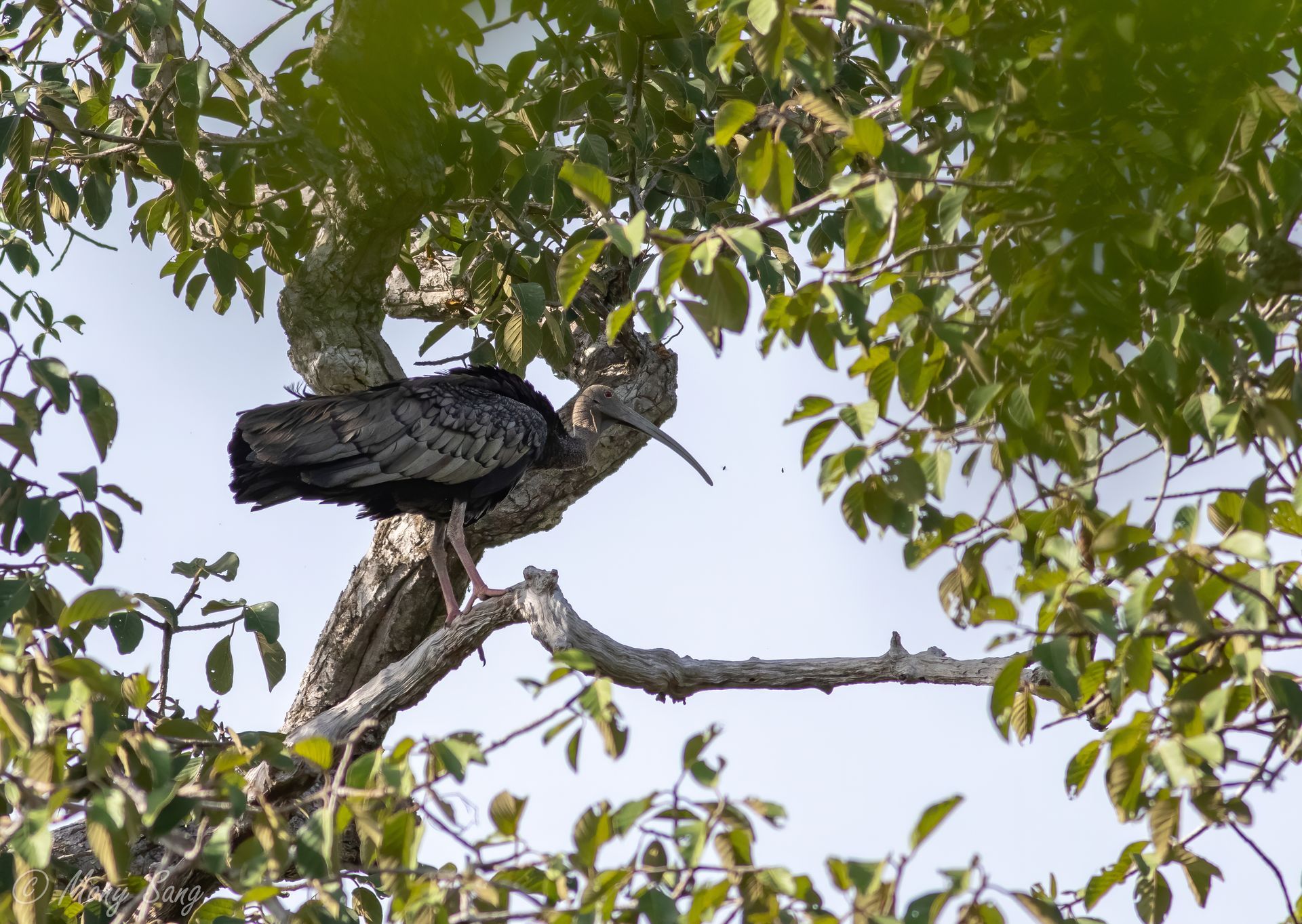
Your Chance to Search for the Giant Ibis
The chance to see a Giant Ibis is only one reason to explore Cambodia's Northern Plains.
From rare birds and endangered wildlife to local communities and protected forests, the region offers a different way to experience Cambodia.
Explore Kriel Lodge's Northern Plains experiences:
Tmat Paeuy offers visitors the opportunity to search for Giant Ibis throughout the year while learning more about the landscape and conservation work that protects them.
At Kriel Lodge, you can stay close to Tmat Paeuy and explore the Northern Plains with local guides who know the landscape and where to look for wildlife.
The goal is not simply to tick the Giant Ibis off a list. It is to experience the landscape, understand why this species is so rare, and see why protecting its habitat matters.
So, is this your last chance to see Cambodia’s Giant Ibis?
Probably not. The Giant Ibis is still here.
But that does not make seeing one any less special.
For a species with such a small and threatened population, every place that continues to support it matters. Every protected habitat matters. And every responsible visit can help people understand why these landscapes are worth protecting.
So perhaps the better question is not:
“Is this my last chance to see the Giant Ibis?”
Perhaps it is:
“If I have the chance to see one in the wild, should I take it?”
For travelers willing to go beyond Cambodia’s usual routes, the Northern Plains offer that opportunity.
And somewhere in the landscape around Tmat Paeuy, a Giant Ibis may still be waiting.