The Near-Mythical Giant Ibis: Cambodia's Rare National Bird
The Near-Mythical Giant Ibis: Cambodia's Rare National Bird
There are birds that are easy to spot.
And then there are birds that you can spend hours searching for and still never see.
The Giant Ibis belongs firmly in the second group.
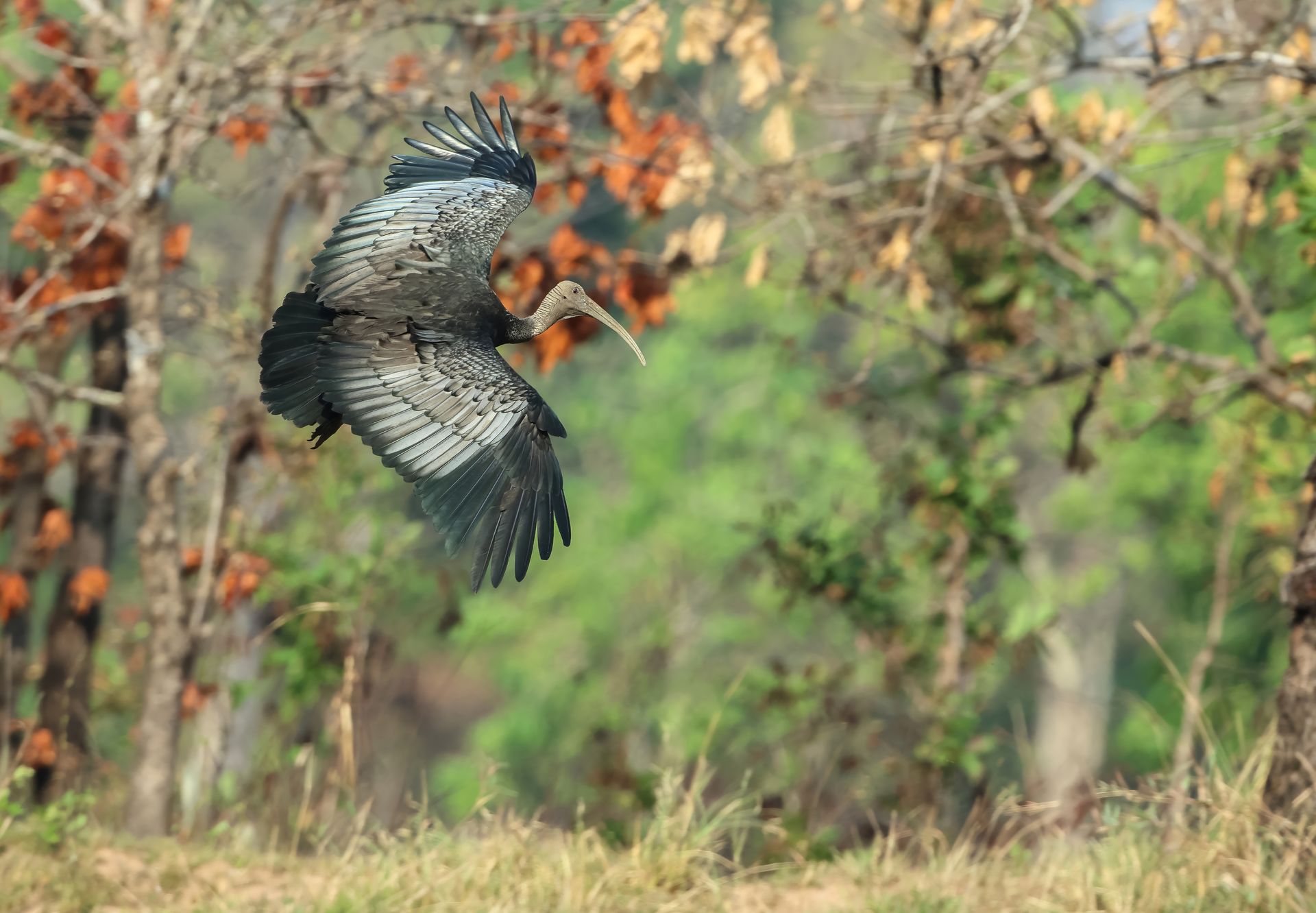
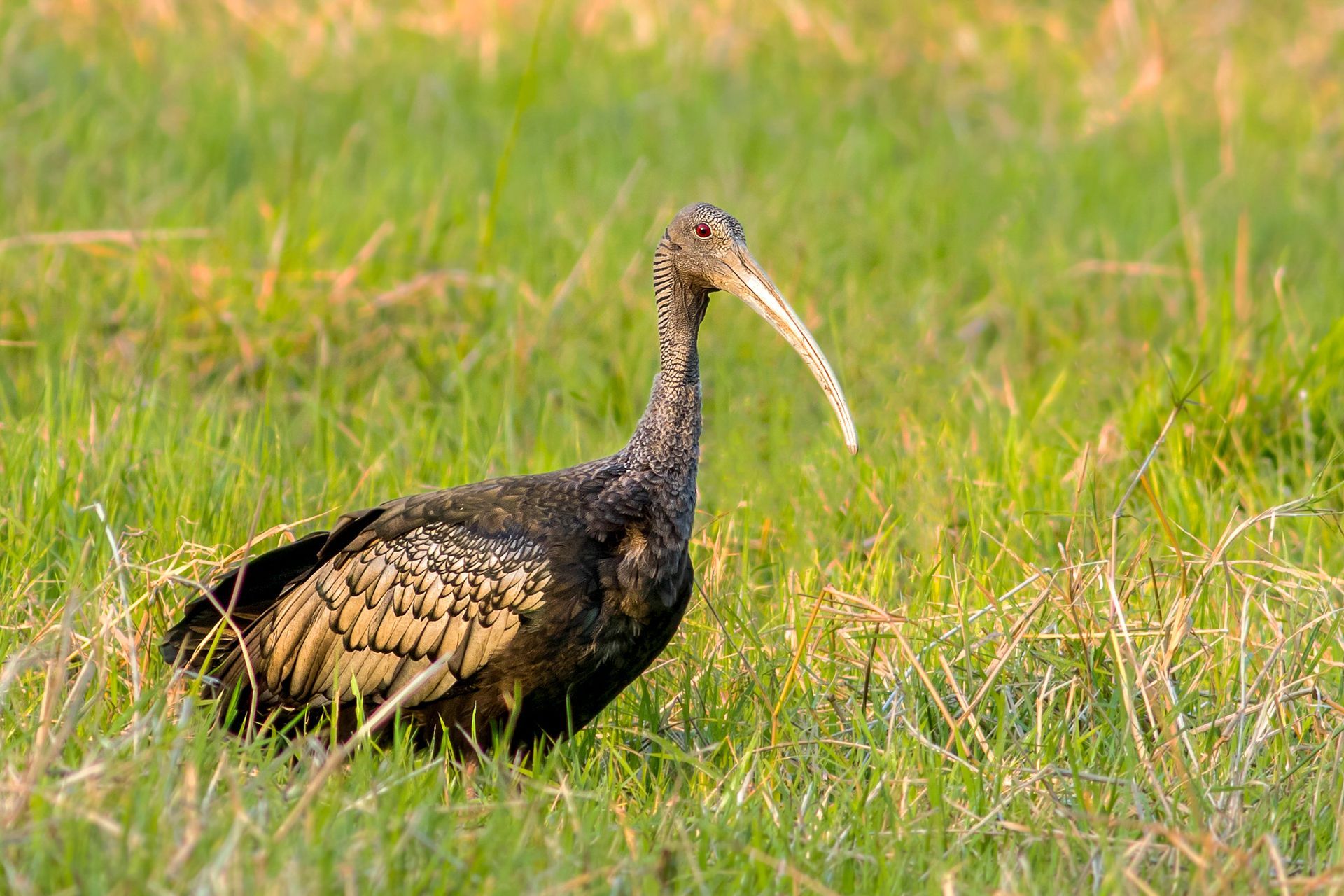
Standing nearly a metre tall, with long legs, a long curved bill, and dark grey plumage, this enormous ibis is one of the most remarkable birds found in Cambodia. It is also one of the country's rarest.
For birdwatchers, seeing a Giant Ibis in the wild can feel almost mythical. And Cambodia is one of the few places where that experience is still possible.
A Bird Worth Searching For
The Giant Ibis (Thaumatibis gigantea) is the largest ibis species in the world.
Despite its size, it can be surprisingly difficult to find. It lives mainly in remote forests, wetlands, and open landscapes, often far from busy tourist areas.
Unlike many birds that announce themselves with bright colours or loud calls, the Giant Ibis has a more understated appearance. Its dark plumage helps it blend into its surroundings, especially when it is standing among vegetation.
This combination of rarity, size, and elusive behaviour has earned it an almost legendary reputation among birdwatchers.
Cambodia's National Bird
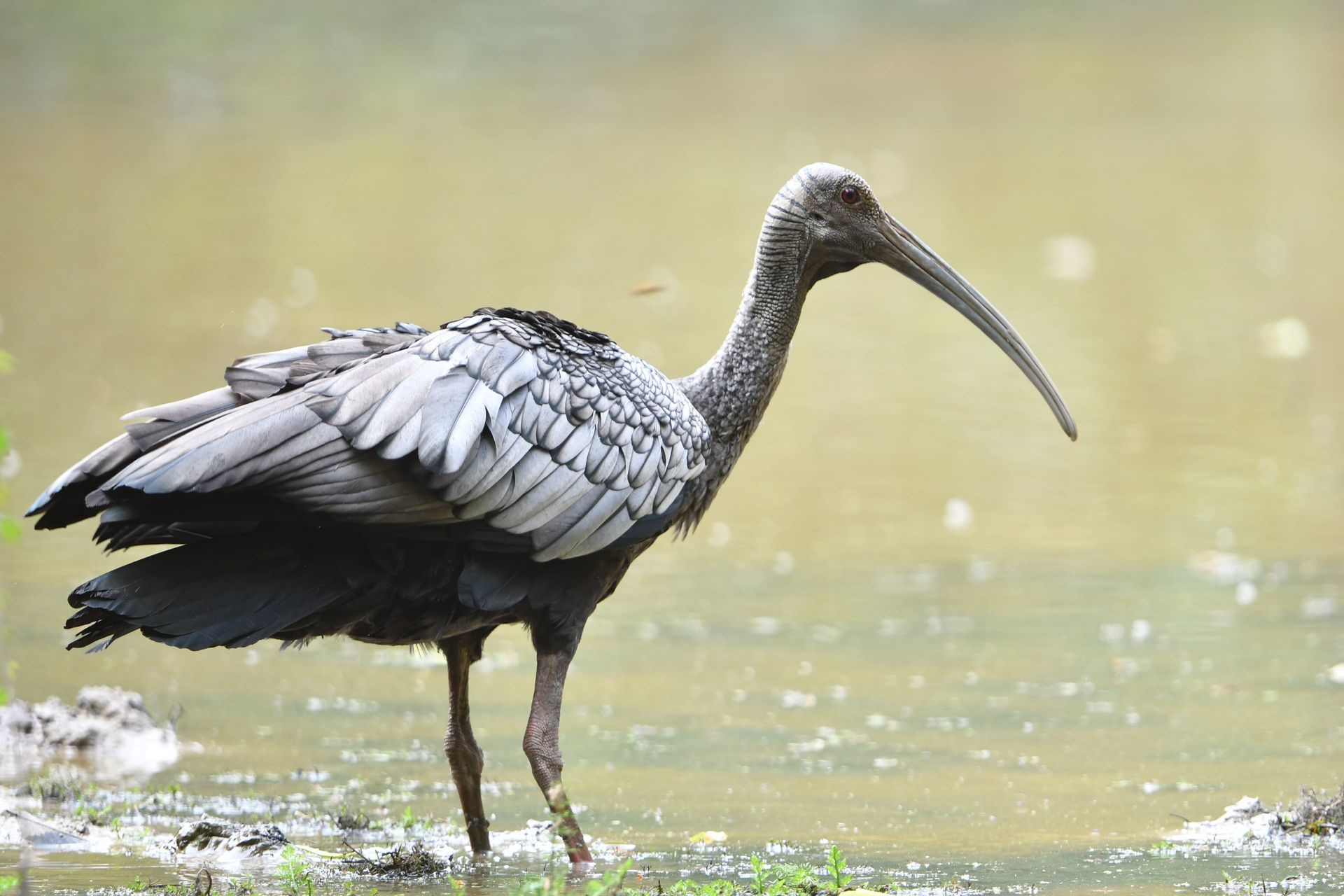
The Giant Ibis is Cambodia's national bird.
It holds a special place in the country's natural heritage, but its future remains uncertain.
The species is Critically Endangered, with only a very small wild population remaining.
Its decline is closely connected to the loss and degradation of its habitat, changes in wetlands and forests, disturbance, and other pressures affecting Cambodia's remaining wildlife.
Protecting the landscapes where Giant Ibis still survives is therefore essential to its future.
Where Does the Giant Ibis Live?
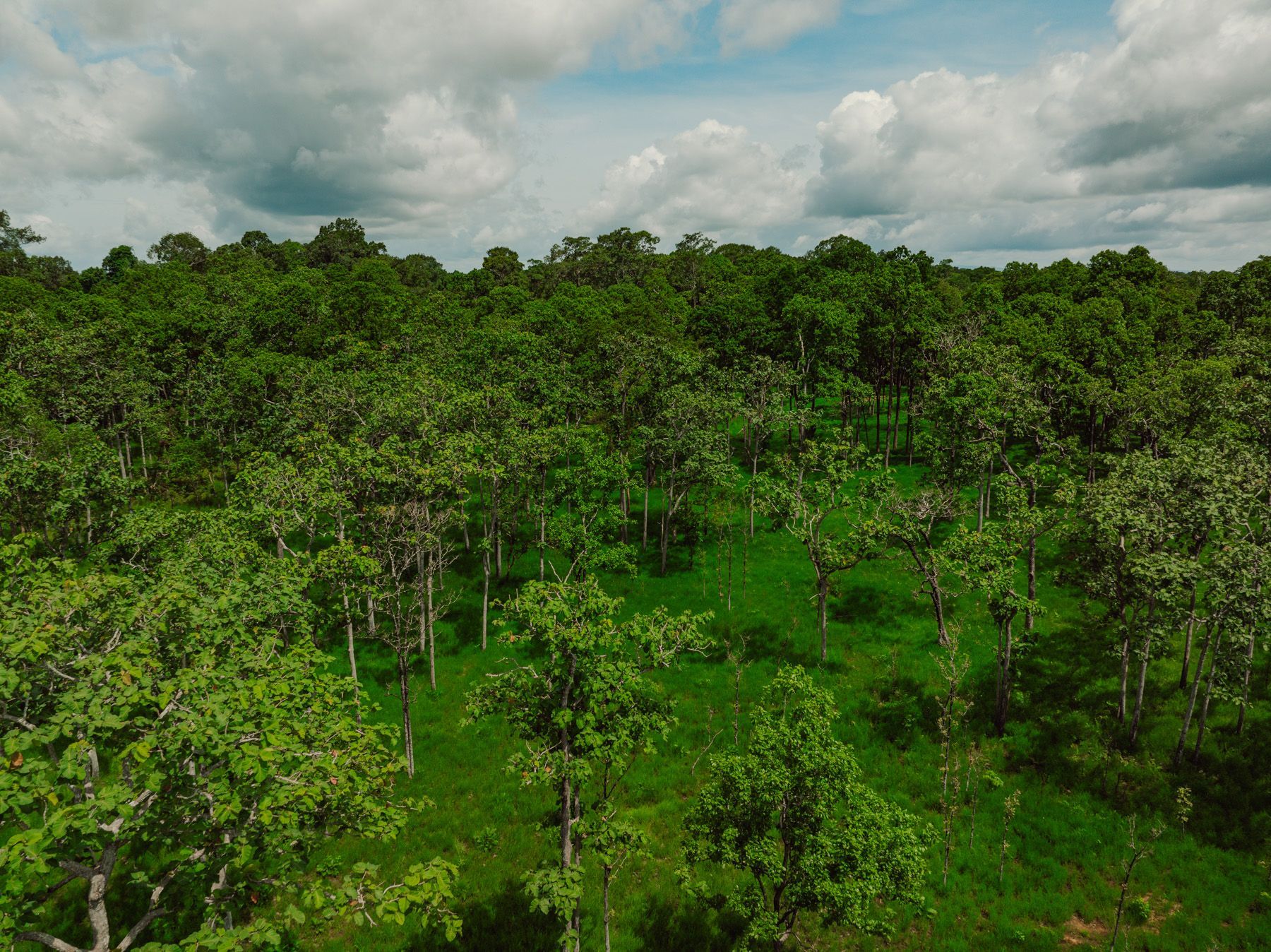
Today, the Giant Ibis is found mainly in Cambodia, with some of its most important remaining habitat in the country's Northern Plains and eastern landscapes.
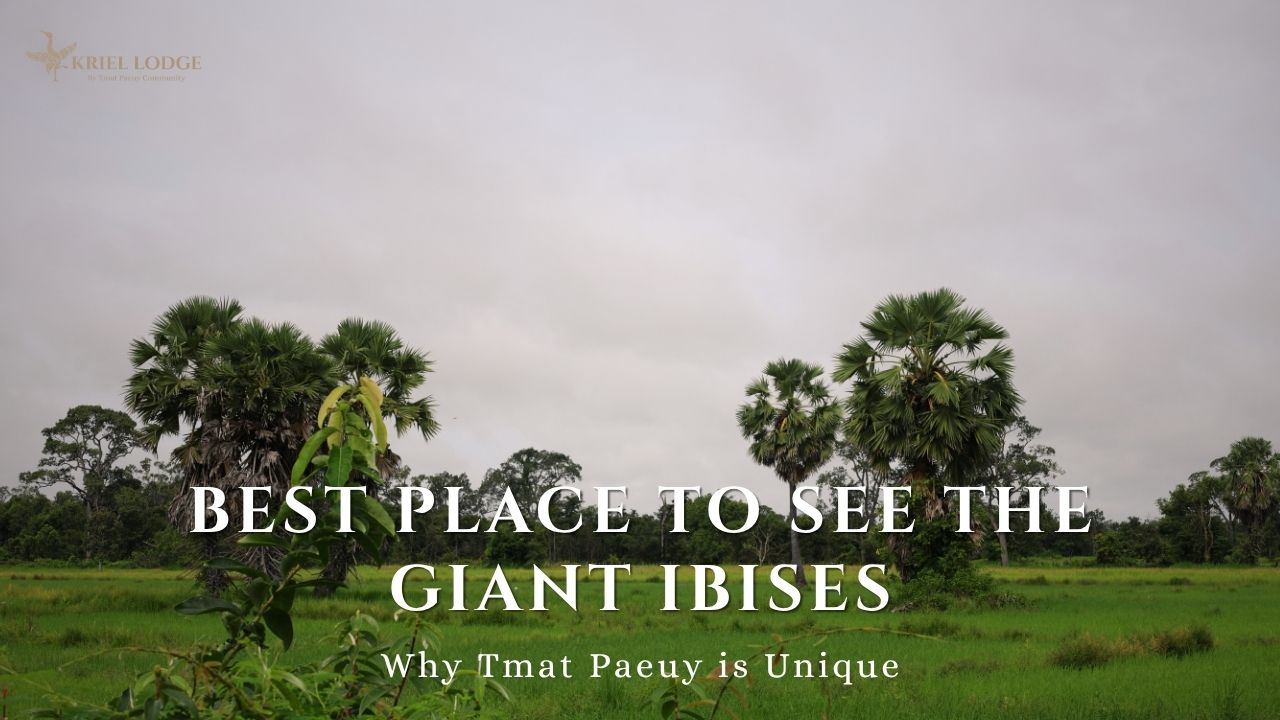
Within the Northern Plains, Tmat Paeuy Community Protected Area has become particularly well known for its efforts to protect the Giant Ibis and its habitat. The community and conservation partners work to safeguard the forests, grasslands, and seasonal wetlands that these birds depend on.
Tmat Paeuy has gained a reputation as an important place for Giant Ibis conservation, as well as one of the places where visitors may have a chance to see this rare bird in the wild.
The surrounding landscape provides more than just habitat for the Giant Ibis. Its mix of dry forest, open grassland, wetlands, and seasonal water sources supports many other threatened species as well.
Protecting places like Tmat Paeuy therefore means protecting an entire ecosystem, while giving the Giant Ibis a better chance of surviving in the wild.
Why Is It So Difficult to See?
Finding a Giant Ibis isn't like visiting a zoo and walking straight to its enclosure.
There are no guarantees. Birdwatchers may need to travel into remote areas, start before sunrise, and spend time carefully scanning open landscapes and forest edges.
This is where experienced local guides can make a real difference.
They know the landscape and understand where wildlife is likely to be found. More importantly, they know how to observe animals without disturbing them.
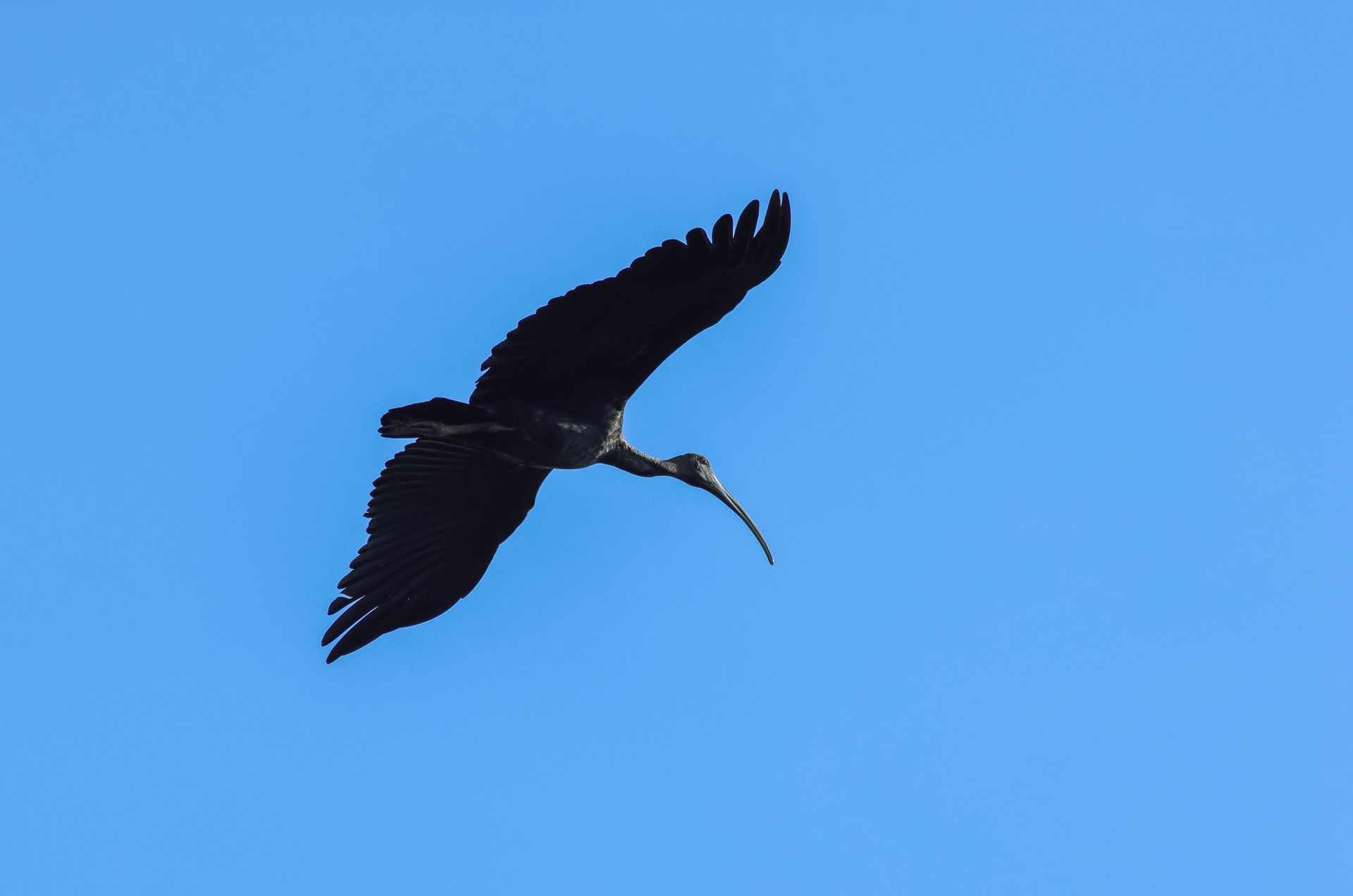
Sometimes you may spend hours looking and see nothing. And then, suddenly, a large dark bird appears in the distance.
Yes. If Giant Ibis can be seen at Tmat Paeuy year-round, we should make that a clear selling point, while still avoiding a guarantee that every visitor will see one.
Where Can You See the Giant Ibis?
The Northern Plains of Cambodia are one of the best places to search for Giant Ibis in the wild, and Tmat Paeuy Community Protected Area is particularly well known for its Giant Ibis conservation work.
Unlike some wildlife experiences that are limited to a particular season, Giant Ibis can be seen in Tmat Paeuy throughout the year. This makes the area an especially interesting destination for travelers who want to experience one of Cambodia's rarest birds.
Of course, seeing a wild Giant Ibis is never guaranteed. These birds live in a natural environment and sightings depend on their movements, weather, and conditions on the day. Having an experienced local guide can greatly improve your chances of finding them.
For travelers who want to explore Tmat Paeuy and the surrounding Northern Plains, Kriel Lodge provides a comfortable base with guided birdwatching and wildlife experiences led by local guides.
The experience is about more than simply ticking the Giant Ibis off a bird list. It is a chance to explore its habitat, learn about the conservation work protecting it, and experience the landscape that these remarkable birds still call home.
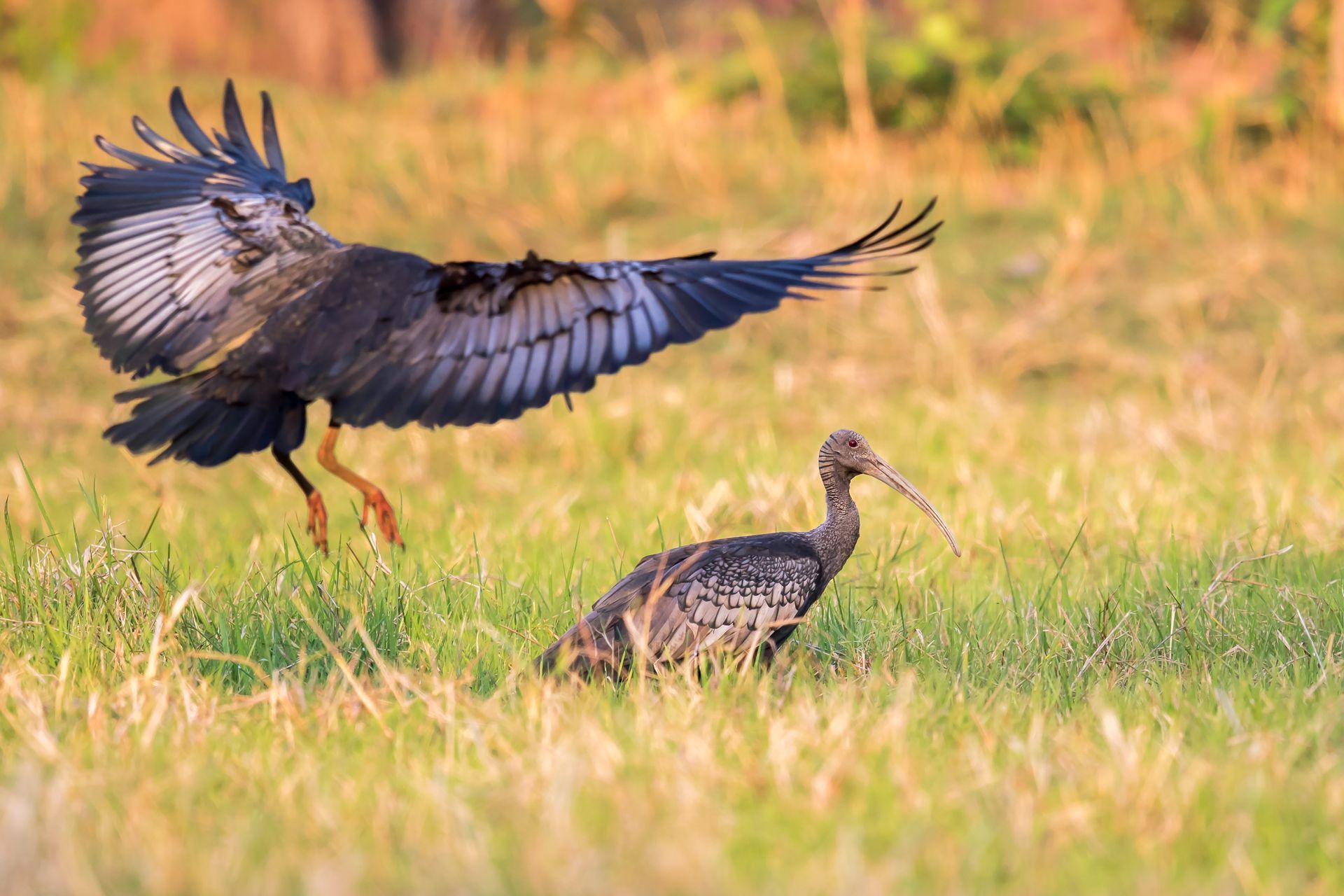
Experience the Northern Plains
The chance to see a Giant Ibis is only one reason to explore Cambodia's Northern Plains.
From rare birds and endangered wildlife to local communities and protected forests, the region offers a different way to experience Cambodia.
Explore Kriel Lodge's Northern Plains experiences:
Northern Plains Escape
Explore Northern Plains Escape
Northern Plains Adventure
Explore Northern Plains Adventure